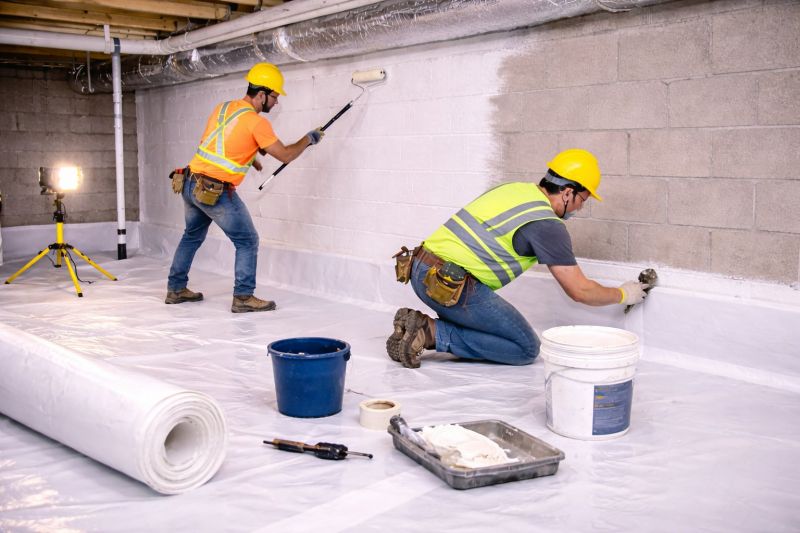
Crawlspace Sealing in Greenville, SC
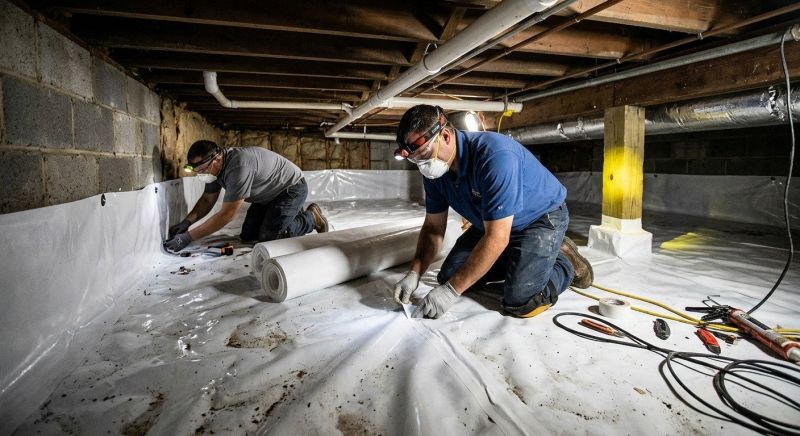
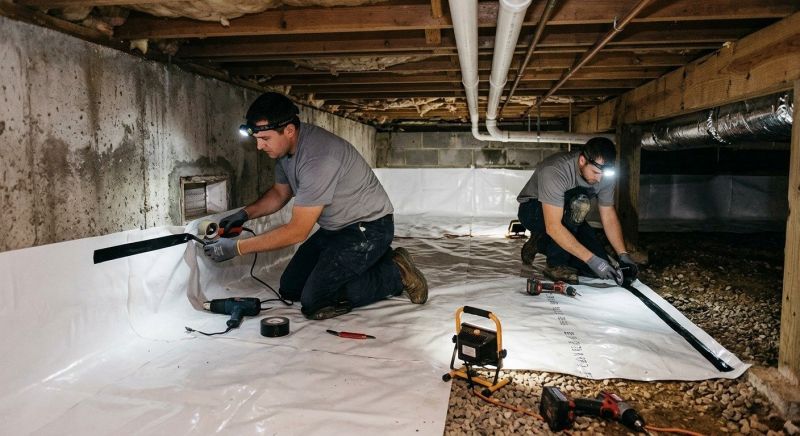
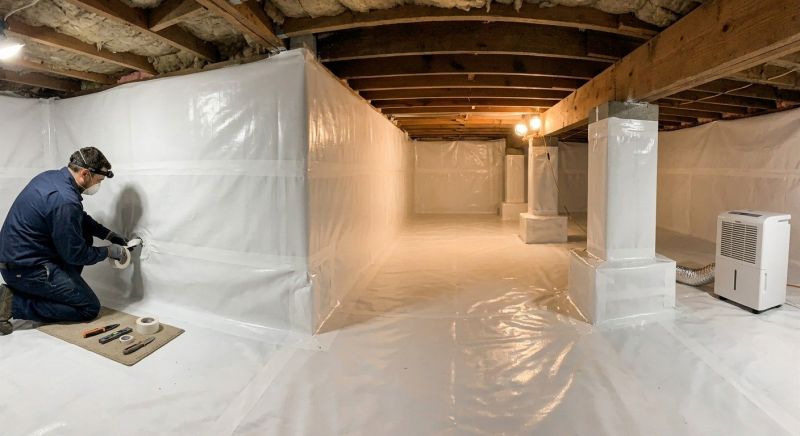
Crawlspace sealing services involve installing barriers and insulation to prevent air, moisture, and pests from entering the space beneath a property. These projects typically include sealing gaps, vents, and cracks, as well as adding insulation to improve energy efficiency and indoor comfort. Homeowners often request this service when they notice drafts, rising utility bills, or signs of moisture and mold in the crawlspace, aiming to create a more stable environment underneath their home.
Before requesting crawlspace sealing, property owners usually want to understand the current condition of their crawlspace, including any existing moisture issues, pest activity, or structural concerns. It's also helpful to know what materials and methods will be used for sealing and insulation, as well as how the work might impact indoor air quality and energy costs. Properly sealed crawlspaces can contribute to better overall home performance and help prevent costly repairs caused by moisture damage or pests.
Many property owners in Greenville, SC look into Crawlspace Sealing for repairs, replacements, upgrades, and appearance-related improvements.
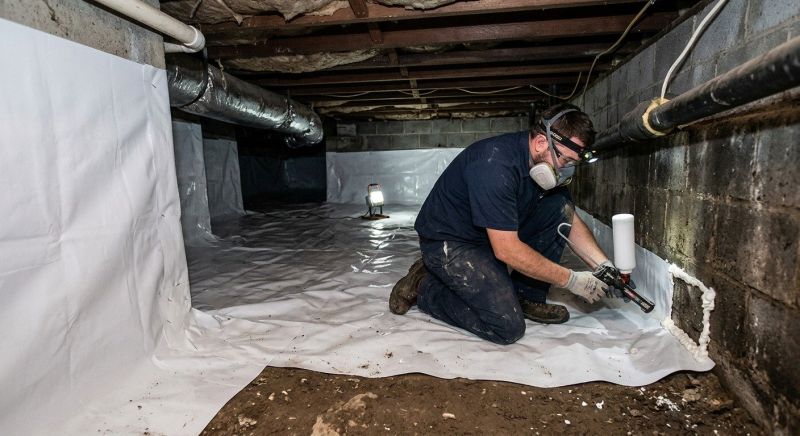
Benefits Of Crawlspace Sealing
Sealing the crawlspace helps prevent moisture intrusion and improves indoor air quality.
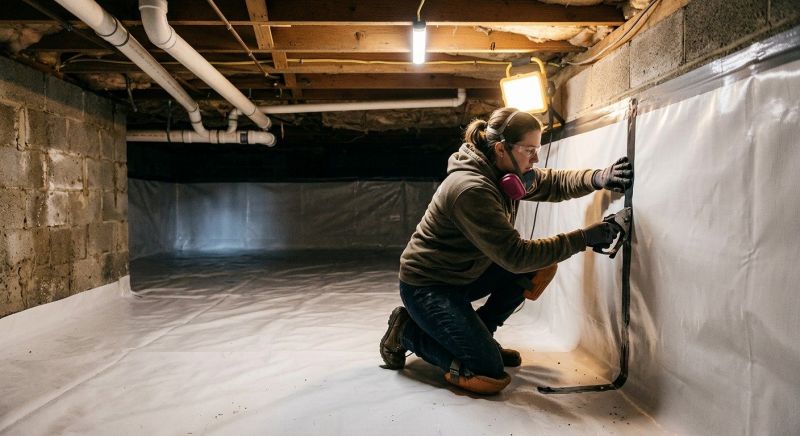
Common Crawlspace Issues
Many homes in greenville experience foundation problems and mold growth due to unsealed crawlspaces.
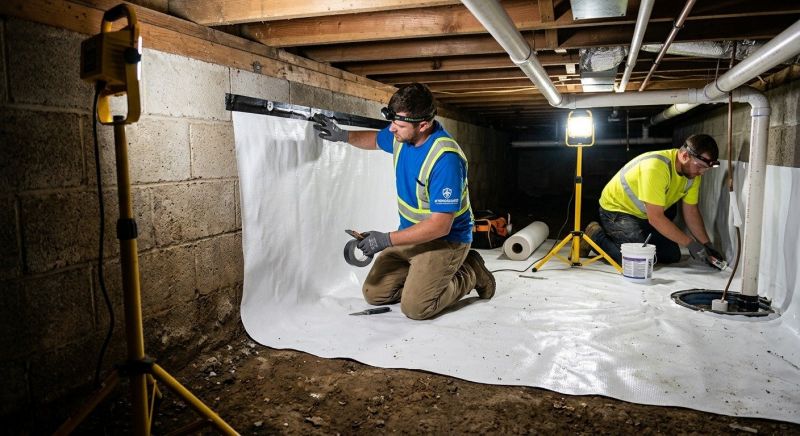
Signs You Need Sealing Services
Visible mold, musty odors, or increased energy bills can indicate the need for crawlspace sealing.
Crawlspace Sealing in Greenville, SC

Crawlspace sealing services involve installing barriers and insulation to prevent air, moisture, and pests from entering the space beneath a property. These projects typically include sealing gaps, vents, and cracks, as well as adding insulation to improve energy efficiency and indoor comfort. Homeowners often request this service when they notice drafts, rising utility bills, or signs of moisture and mold in the crawlspace, aiming to create a more stable environment underneath their home.
Before requesting crawlspace sealing, property owners usually want to understand the current condition of their crawlspace, including any existing moisture issues, pest activity, or structural concerns. It's also helpful to know what materials and methods will be used for sealing and insulation, as well as how the work might impact indoor air quality and energy costs. Properly sealed crawlspaces can contribute to better overall home performance and help prevent costly repairs caused by moisture damage or pests.
Many property owners in Greenville, SC look into Crawlspace Sealing for repairs, replacements, upgrades, and appearance-related improvements.
Common Crawlspace Sealing Jobs
Crawlspace Sealing - seals gaps and vents to prevent air leaks and improve energy efficiency.
Moisture Control - reduces humidity levels to prevent mold growth and wood rot.
Pest Prevention - blocks entry points to keep insects and rodents out of the crawlspace.
Insulation Sealing - enhances insulation performance by sealing around ductwork and wiring.
Air Quality Improvement - minimizes indoor allergens caused by crawlspace contaminants.
Energy Savings - helps lower heating and cooling costs by reducing air loss.
Crawlspace Sealing Questions
What is crawlspace sealing? Crawlspace sealing involves closing off vents, cracks, and openings to prevent unwanted air, moisture, and pests from entering the space beneath a home.
Why should homeowners consider crawlspace sealing? Sealing can improve indoor comfort, reduce energy costs, and protect the home’s foundation from moisture damage.
What materials are used for crawlspace sealing? Common materials include vapor barriers, sealant tapes, and foam insulation to ensure a tight, durable seal.
Is crawlspace sealing suitable for all types of homes? It is generally beneficial for homes with unsealed or vented crawlspaces, especially in areas prone to moisture issues.
Request Crawlspace Sealing in Greenville, SC
Use the quote form on this page to share the basics of your project and request more information for the type of work you need.